
Understanding Bitcoin: A Comprehensive Guide for Beginners


What is Bitcoin?
Bitcoin is a type of digital currency that operates independently of a central authority. It was introduced in 2009 by an anonymous person or group known as Satoshi Nakamoto. Unlike traditional currencies, Bitcoin is decentralized and uses blockchain technology to facilitate secure transactions.

How Does Bitcoin Work?
Bitcoin operates on a technology called blockchain. A blockchain is a distributed ledger that records all Bitcoin transactions across a network of computers. This ensures transparency and security, as the information is difficult to alter once recorded.
When a transaction is made, it is verified by network nodes through cryptography and recorded in the blockchain. This process is called mining, and it involves solving complex mathematical problems.
Why Use Bitcoin?
There are several reasons why people choose to use Bitcoin:
- Decentralization: No central authority controls Bitcoin, offering more freedom to users.
- Security: Transactions are secure and verified using cryptography.
- Lower Fees: Bitcoin transactions often have lower fees compared to traditional banking.

Getting Started with Bitcoin
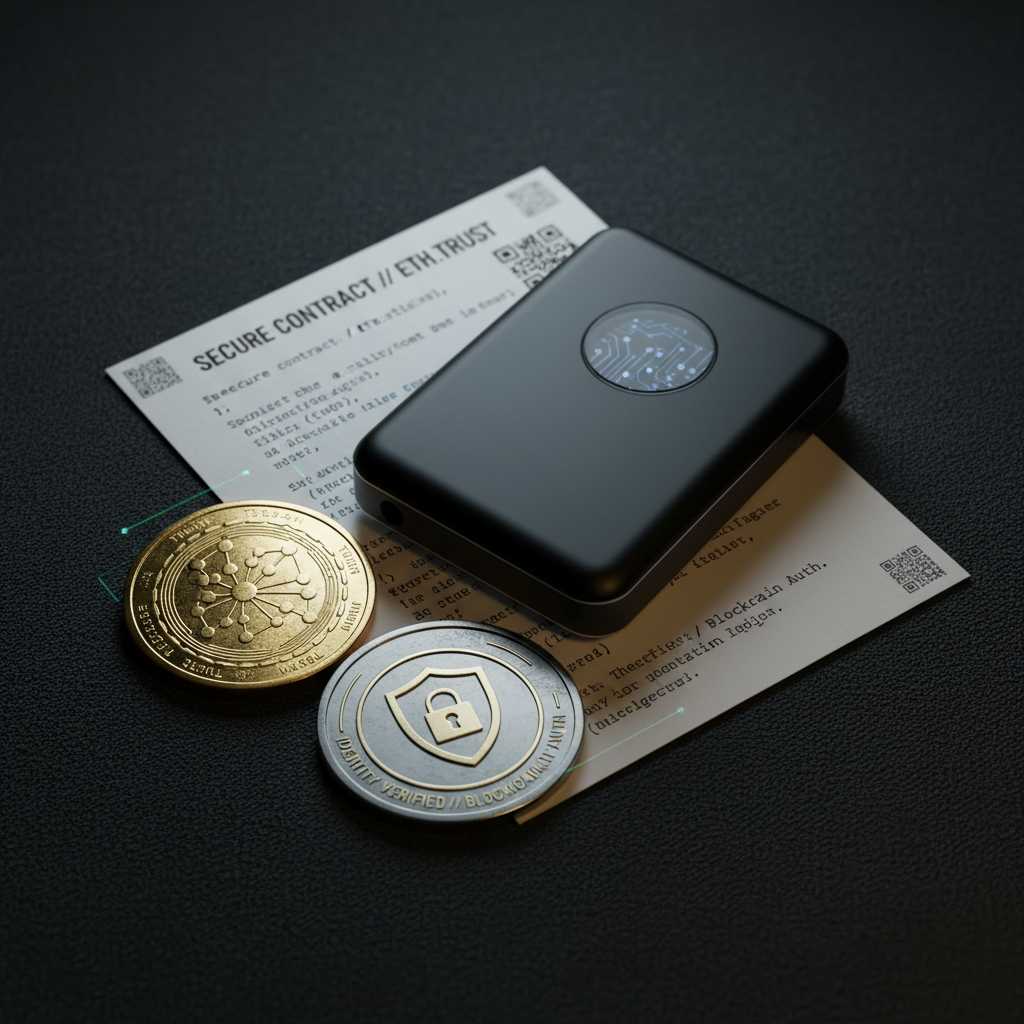
To start using Bitcoin, you need a digital wallet. A Bitcoin wallet stores your private keys, which are necessary for accessing your Bitcoin and making transactions. Wallets can be software-based, hardware-based, or even paper wallets.
Once you have a wallet, you can purchase Bitcoin through a cryptocurrency exchange. Some popular exchanges include Coinbase, Binance, and Kraken. These platforms allow you to buy Bitcoin using traditional currencies like USD or EUR.
Storing and Securing Your Bitcoin
Securing your Bitcoin is crucial to protect it from theft or loss. Here are some tips:
- Use a hardware wallet for long-term storage.
- Enable two-factor authentication on your exchange accounts.
- Regularly back up your wallet.
The Future of Bitcoin
The future of Bitcoin is a hot topic among investors and tech enthusiasts. As more businesses begin to accept Bitcoin and more people understand its benefits, its adoption is likely to grow. However, challenges such as regulatory concerns and technological limitations still exist.
Overall, Bitcoin continues to pave the way for the future of digital currencies, offering a glimpse into a decentralized financial world.