
Understanding Bitcoin: A Beginner's Guide to Cryptocurrency


What is Bitcoin?
Bitcoin is a type of digital currency, often referred to as a cryptocurrency, that allows people to send or receive money over the internet. Unlike traditional currencies issued by governments, Bitcoin is decentralized, meaning it operates without a central authority. This innovative approach to currency has sparked significant interest and debate since Bitcoin's creation in 2009.
The revolutionary nature of Bitcoin lies in its underlying technology called blockchain. This technology ensures that all transactions are recorded publicly and securely, preventing fraud and ensuring transparency. As a beginner, understanding Bitcoin's foundational principles is essential to grasp the broader world of cryptocurrency.

How Does Bitcoin Work?
Bitcoin transactions are recorded on a digital ledger called a blockchain. When a transaction is made, it is grouped with other transactions into a "block." This block is then added to a chain of previous blocks, creating a continuous record of transactions.
Miners play a crucial role in this process by verifying and adding transactions to the blockchain. They solve complex mathematical problems to validate transactions, and in return, they earn new bitcoins. This process is known as "mining" and is vital for maintaining the integrity of the Bitcoin network.

Advantages of Using Bitcoin
Bitcoin offers several advantages, making it an attractive option for many users:
- Decentralization: No central authority controls Bitcoin, reducing the risk of government interference or inflation.
- Transparency: All transactions are recorded on a public ledger, making them easily traceable.
- Lower fees: Bitcoin transactions often have lower fees compared to traditional banking methods.
Challenges and Risks
Despite its benefits, Bitcoin is not without challenges. The value of Bitcoin can be highly volatile, with prices fluctuating significantly over short periods. This volatility can pose risks for investors and users who are not prepared for sudden changes in value.
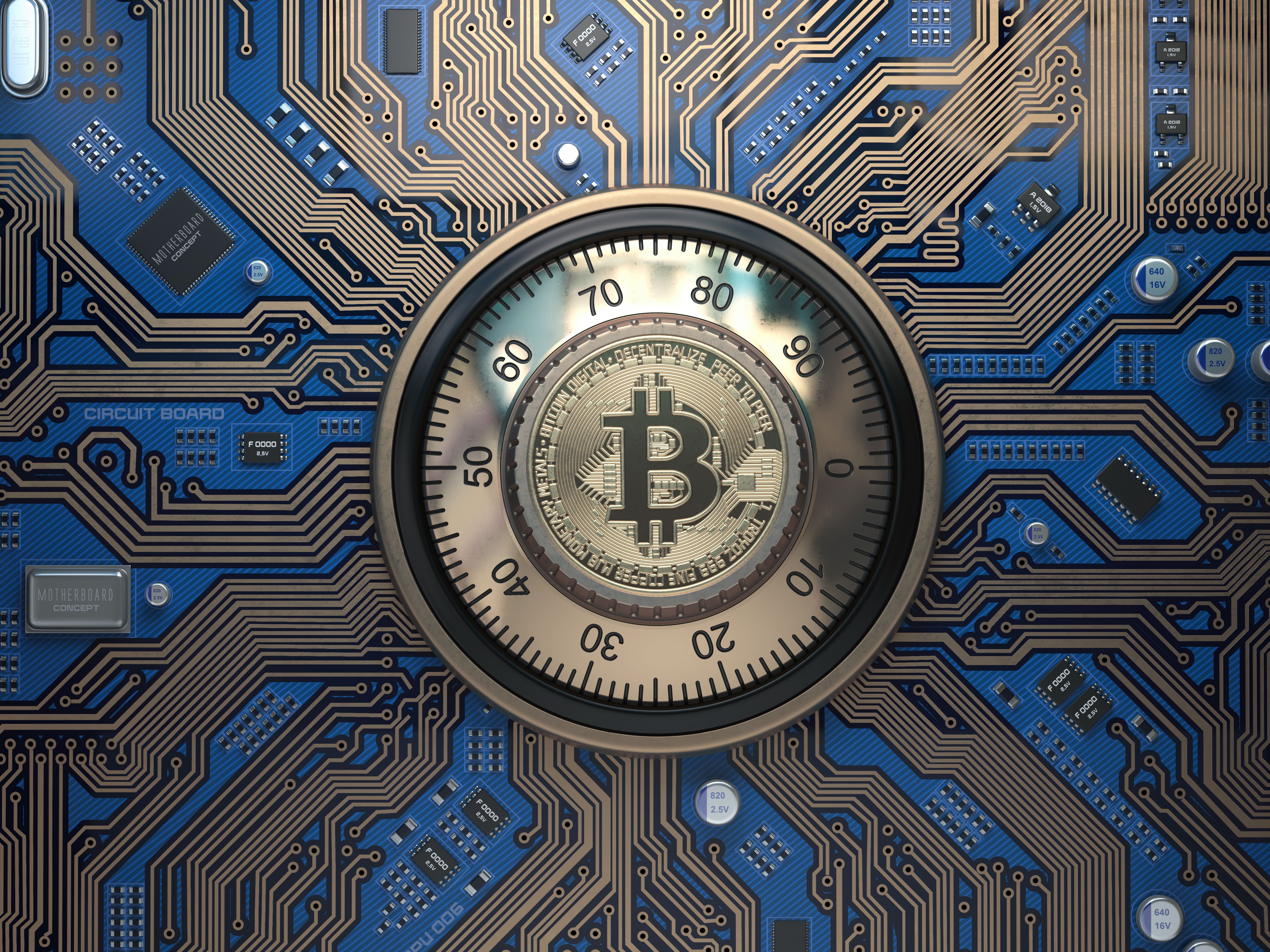
Additionally, while Bitcoin transactions are secure, the overall system is not immune to hacking or fraud. Users must take precautions, such as using secure wallets and practicing safe online habits, to protect their investments.
Getting Started with Bitcoin
For beginners interested in exploring Bitcoin, the first step is to set up a digital wallet. This wallet allows you to store, send, and receive bitcoins. There are various types of wallets available, including online, mobile, desktop, and hardware wallets, each with its own security features.
Once you have a wallet, you can purchase Bitcoin through exchanges or peer-to-peer platforms. It's essential to research and choose a reputable exchange to ensure the safety and security of your transactions.

Bitcoin in the Future
As Bitcoin continues to gain popularity, its potential uses and applications are expanding. From being accepted as payment by major companies to influencing the development of new financial technologies, Bitcoin is likely to play a significant role in the future of finance.
Understanding Bitcoin and its underlying technology is an important step for anyone interested in the future of currency and digital transactions. As the landscape continues to evolve, staying informed will be key to navigating the opportunities and challenges that come with this digital revolution.