
The Ultimate Guide to Using a Hardware Wallet for Secure Transactions


In the world of cryptocurrency, security is paramount. With increasing cyber threats, using a hardware wallet has become an essential practice for anyone serious about safeguarding their digital assets. A hardware wallet provides a secure way to store your private keys offline, reducing the risk of hacking and unauthorized access.
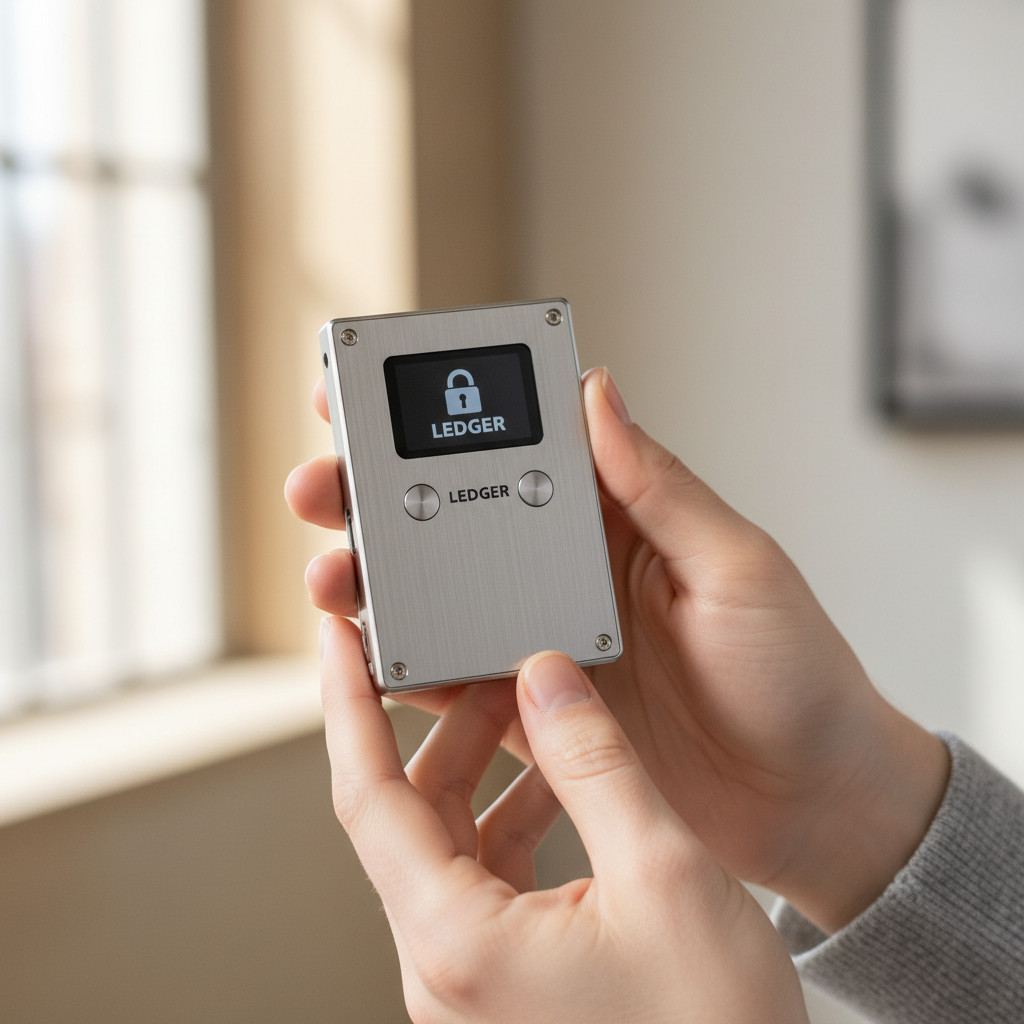
What is a Hardware Wallet?
A hardware wallet is a physical device that securely stores the private keys to your cryptocurrencies. Unlike software wallets, which are connected to the internet, hardware wallets are offline, making them immune to online threats. They are often compared to a USB drive, but with advanced security features specifically designed for crypto storage.
These wallets are known for their strong encryption methods and ease of use. By keeping your private keys offline, they offer a layer of protection that is essential in the volatile crypto market.
How to Set Up a Hardware Wallet
Setting up a hardware wallet is a straightforward process, even for beginners. Here's a step-by-step guide:
- Purchase a reputable hardware wallet from a trusted manufacturer.
- Unbox the device and follow the instructions provided.
- Connect it to your computer or smartphone using the provided cable.
- Install the necessary software or app to manage your wallet.
- Follow the on-screen instructions to set up your wallet, including creating a strong PIN and backup phrase.

Transacting with a Hardware Wallet
Using a hardware wallet for transactions is both secure and simple. When you want to send or receive cryptocurrency, you will need to connect your hardware wallet to a device with internet access. The wallet will sign transactions using your private keys without exposing them online.
Always double-check the transaction details before confirming. The hardware wallet will typically display the transaction details on its screen, allowing you to verify before proceeding.
Benefits of Using a Hardware Wallet
The primary advantage of a hardware wallet is security. By keeping your private keys offline, you minimize the risk of hacking. Additionally, hardware wallets are portable, allowing you to manage your crypto assets on the go. They support multiple cryptocurrencies, giving you flexibility in managing diverse portfolios.

Moreover, hardware wallets offer a user-friendly interface, making them accessible even for non-tech-savvy individuals. They are designed to be intuitive, providing a seamless experience for all users.
Maintaining Your Hardware Wallet
To ensure the longevity and security of your hardware wallet, follow these maintenance tips:
- Keep your recovery phrase in a safe, offline location.
- Regularly update your wallet's firmware to the latest version.
- Avoid exposing the device to extreme temperatures or liquids.
Remember, the security of your assets is only as strong as the security of your wallet. Regular maintenance and vigilance are key.
In conclusion, a hardware wallet is an indispensable tool for anyone dealing with cryptocurrencies. It offers unmatched security and peace of mind, allowing you to focus on managing your investments effectively. By following the guidelines outlined in this guide, you can confidently use a hardware wallet for secure transactions.