
Setting Up Your First Hardware Wallet: A Step-by-Step Guide


Investing in cryptocurrencies is an exciting venture, but securing your digital assets is crucial. One of the safest ways to do this is by using a hardware wallet. In this guide, we'll walk you through setting up your first hardware wallet, ensuring your investments are well-protected.
What is a Hardware Wallet?
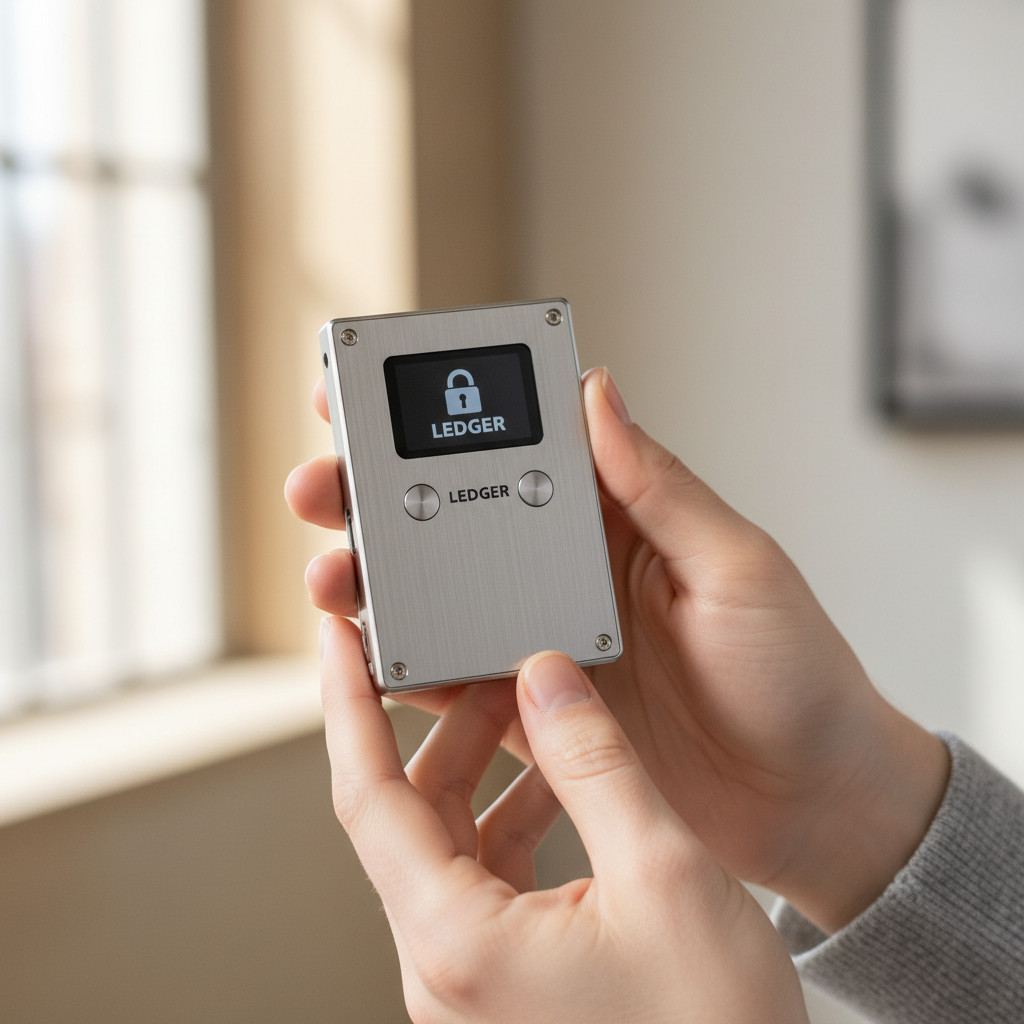
A hardware wallet is a physical device that stores your private keys offline, making it resistant to hacking attempts. Unlike software wallets, which are connected to the internet, hardware wallets keep your sensitive information safe from online threats.
Choosing the Right Hardware Wallet
Before setting up your hardware wallet, it's essential to choose the right one for your needs. Consider factors such as compatibility with your cryptocurrencies, the reputation of the manufacturer, and the features offered. Popular options include Ledger, Trezor, and KeepKey.
Getting Started with Your Hardware Wallet
Once you've selected a hardware wallet, follow these steps to set it up:
- Unbox your wallet: Ensure all components are present, including the device, USB cable, and any instruction manuals.
- Connect to your computer: Use the USB cable to connect the wallet to your computer and follow the on-screen instructions.
- Install the necessary software: Download and install any required apps or extensions from the manufacturer's website.

Creating a Secure PIN
Setting up a secure PIN is a critical step in protecting your hardware wallet. Your PIN acts as the first line of defense against unauthorized access. Choose a PIN that is both memorable and difficult for others to guess.
Backing Up Your Recovery Seed
During setup, you'll be given a recovery seed, a series of words that can restore your wallet if it's lost or damaged. Write down these words and store them in a safe place, separate from the wallet itself. Never share your recovery seed with anyone.
Transferring Your Cryptocurrency
With your wallet set up, it's time to transfer your cryptocurrency. Open your wallet app and follow the instructions to receive funds. Ensure the address is correct before initiating any transfer to avoid errors.
Maintaining Security
After setting up your wallet, keep it secure by regularly updating its firmware and using strong passwords for associated accounts. Always be cautious of phishing attempts and verify URLs when accessing wallet services online.
By following these steps, you'll have a robust system in place to safeguard your digital assets. A hardware wallet is an excellent investment for anyone serious about protecting their cryptocurrency holdings.