
BTC in Everyday Transactions: Can It Replace Fiat Currency?


The Rise of Bitcoin in Everyday Transactions
Bitcoin (BTC), once considered a niche digital asset, is increasingly being discussed as a potential replacement for traditional fiat currency in everyday transactions. As cryptocurrencies gain popularity, more businesses and individuals are exploring the practicality and benefits of using BTC for daily purchases. But can Bitcoin truly replace fiat currency?

Understanding Bitcoin's Appeal
The appeal of Bitcoin lies in its decentralized nature, offering users a way to make transactions without the need for traditional banks. This can lead to lower transaction fees and enhanced privacy. Moreover, Bitcoin's global accessibility makes it an attractive option for cross-border transactions, where traditional banking can be slow and costly.
Another significant factor is the potential for investment growth. Many view Bitcoin not only as a currency but also as a store of value akin to digital gold. This dual role can incentivize both merchants and consumers to accept and spend BTC.
Challenges in Replacing Fiat
While Bitcoin offers numerous benefits, there are challenges to its adoption as a replacement for fiat currency. One major issue is its price volatility. The value of Bitcoin can fluctuate wildly, making it difficult for businesses to set stable pricing and for consumers to plan their expenses.

Additionally, the scalability of Bitcoin is a concern. The current blockchain infrastructure can handle only a limited number of transactions per second, leading to potential delays and higher fees during peak times. This limitation poses a significant barrier to using Bitcoin for everyday transactions on a large scale.
Real-World Adoption and Use Cases
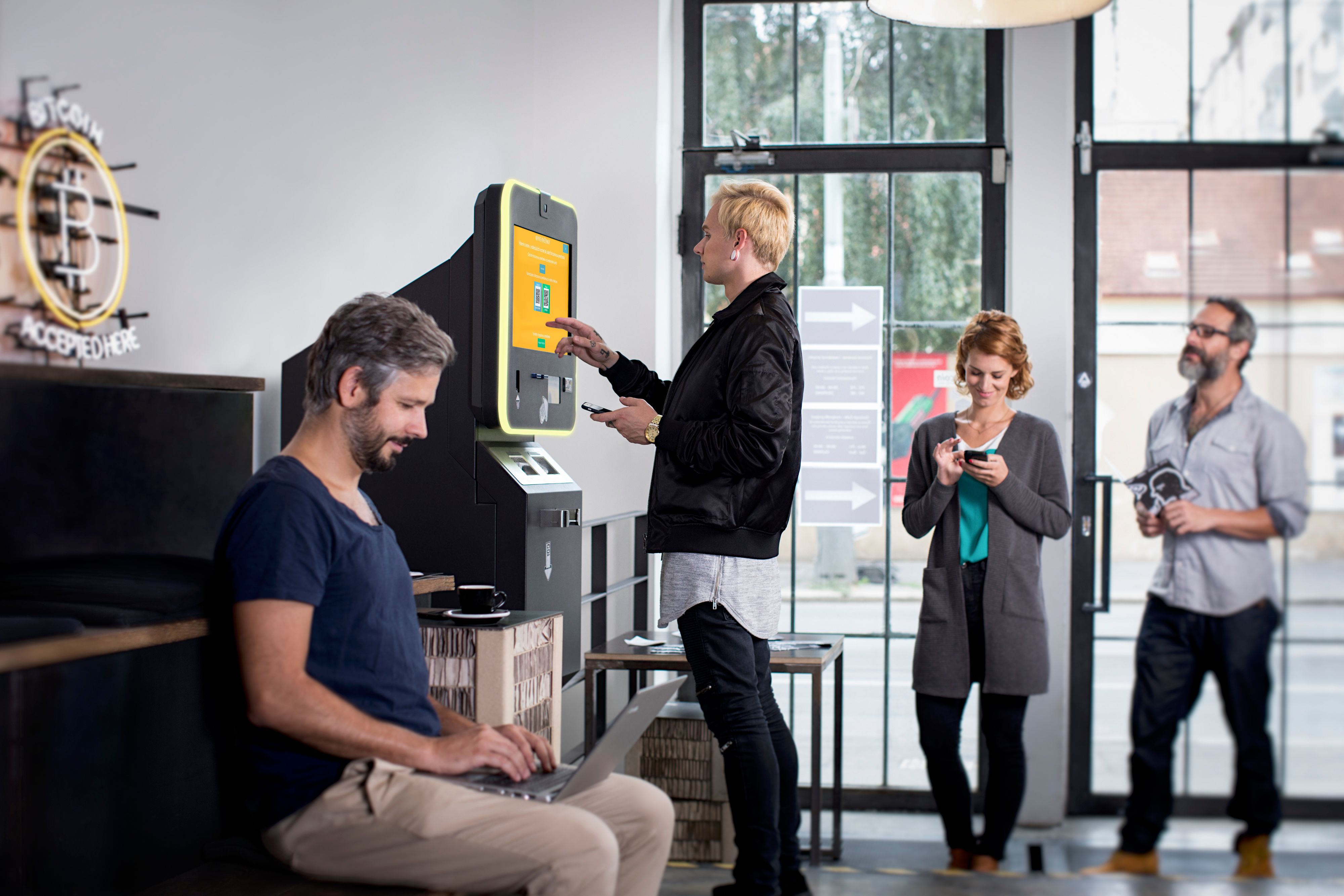
Despite these challenges, some businesses have started accepting Bitcoin as a payment method. Companies like Overstock and Microsoft allow customers to use BTC for certain purchases. Moreover, some cities have Bitcoin ATMs, making it easier for individuals to convert BTC to local currency when needed.
- Retail purchases
- Online services
- Travel and accommodation bookings
The Role of Regulation
Regulation plays a crucial role in the adoption of Bitcoin. Governments worldwide are still grappling with how to regulate cryptocurrencies effectively. Clear and supportive regulations can foster greater trust and adoption among users and businesses alike.
However, overly strict regulations could stifle innovation and discourage businesses from adopting Bitcoin. Striking the right balance is key to fostering a healthy cryptocurrency ecosystem.
The Future of Bitcoin Transactions
The future of Bitcoin as a replacement for fiat currency remains uncertain. While it offers numerous advantages, significant hurdles must be overcome for it to become a mainstream payment method. Technological advancements, such as improvements in blockchain scalability and solutions to reduce volatility, are crucial for wider adoption.

As more people become comfortable with digital assets, and as technology and regulations evolve, Bitcoin's role in everyday transactions may become more prominent. Whether it will fully replace fiat currency is still up for debate, but its influence on the financial world is undeniable.