
A Beginner's Guide to Bitcoin: From Satoshi to Sats


Understanding Bitcoin: The Basics
Bitcoin, a term that has become synonymous with cryptocurrency, was introduced in 2009 by an anonymous entity known as Satoshi Nakamoto. It was designed as a decentralized digital currency that operates without a central authority, offering an alternative to traditional fiat currencies.
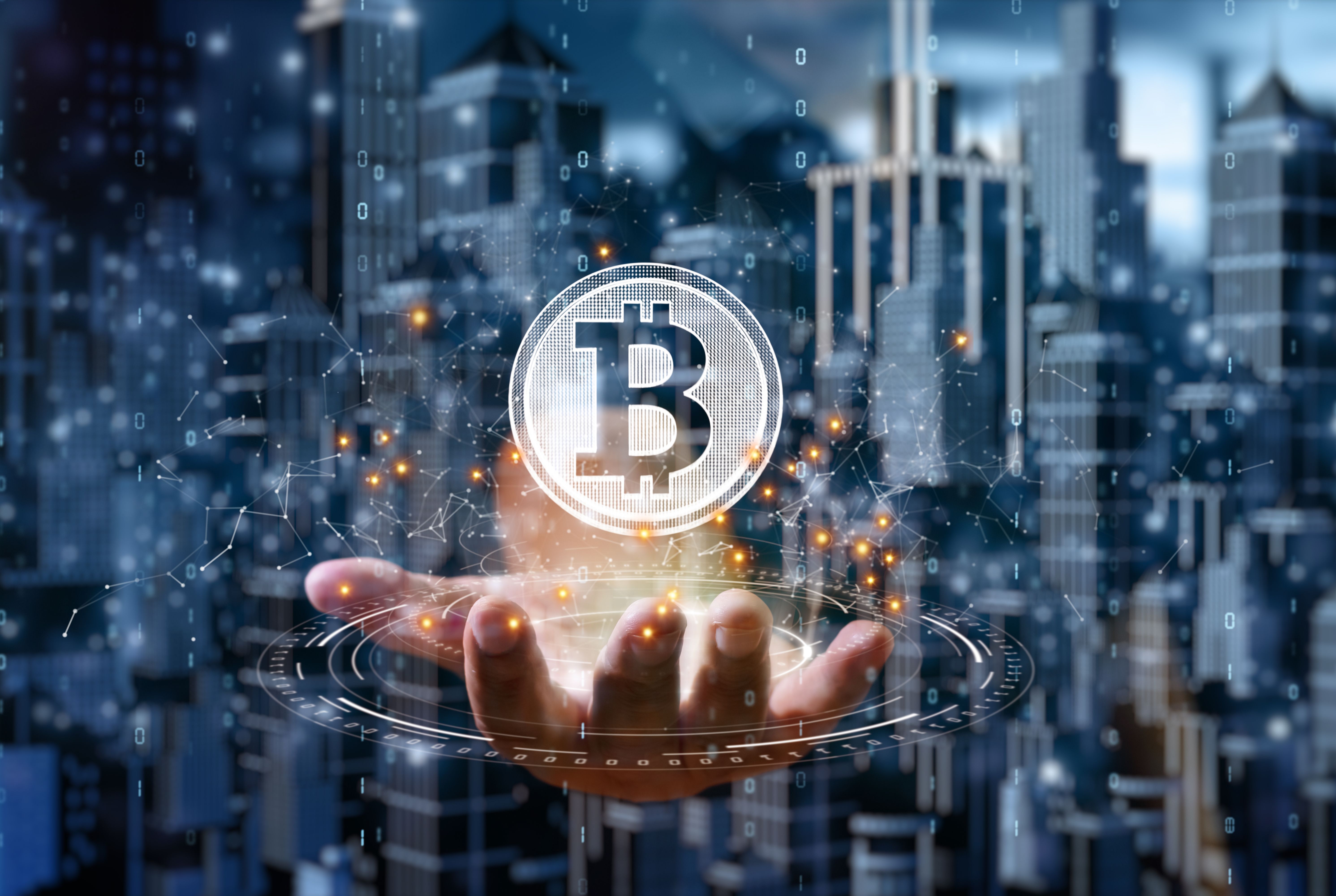
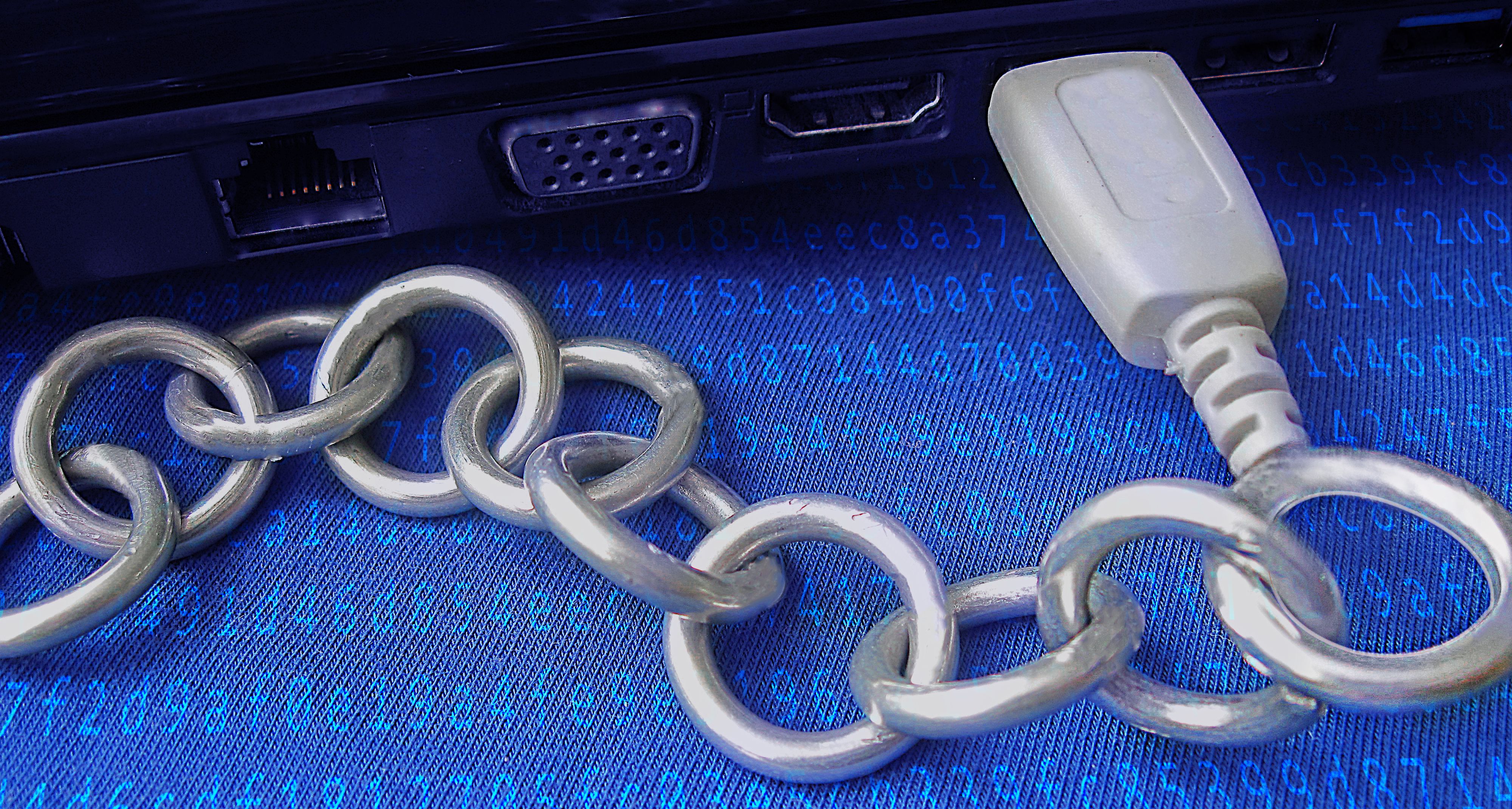
Bitcoin transactions are recorded on a public ledger called the blockchain. This technology ensures transparency and security, allowing users to send and receive bitcoins without intermediaries. Understanding these fundamentals is crucial for anyone looking to dive into the world of cryptocurrency.
The Birth of Bitcoin
Bitcoin emerged from a desire for a financial system that operates independently of banks and governments. The 2008 financial crisis highlighted the vulnerabilities of centralized financial systems, paving the way for Bitcoin's development. Satoshi Nakamoto's white paper outlined the mechanics of this revolutionary currency, sparking interest and adoption worldwide.
From Bitcoins to Satoshis
Bitcoin is divisible, allowing users to transact in fractions of a bitcoin. The smallest unit is called a "satoshi," named after the creator. One bitcoin is equivalent to 100 million satoshis. This divisibility makes Bitcoin accessible, even to those who cannot afford a whole coin.
Using satoshis can be particularly useful for microtransactions, where transferring small amounts becomes feasible. This feature is vital as Bitcoin continues to gain traction in everyday transactions.
How to Acquire Bitcoin
There are several ways to obtain Bitcoin. Here are the most common methods:
- Buying on Exchanges: Platforms like Coinbase and Binance allow users to purchase Bitcoin using traditional currency.
- Mining: Though more technical, mining involves solving complex algorithms to validate transactions and earn Bitcoin as a reward.
- Peer-to-Peer Transactions: Buying directly from individuals through platforms like LocalBitcoins.
Storing Your Bitcoin Safely
Once acquired, storing Bitcoin securely is paramount. Wallets, which can be digital or hardware-based, provide secure storage and management solutions. Digital wallets are convenient for regular transactions, while hardware wallets offer enhanced security for long-term storage.
Always ensure you use reputable wallets and enable security features like two-factor authentication to protect your assets.

The Future of Bitcoin
Bitcoin continues to evolve, influencing the global financial landscape. As more businesses and individuals adopt Bitcoin, its role as a viable alternative to traditional currencies strengthens. However, potential investors should be aware of its volatility and conduct thorough research before investing.
Understanding Bitcoin's basics is the first step towards embracing the future of digital finance. Whether you're considering investing or simply curious, Bitcoin offers a fascinating glimpse into the possibilities of decentralized currency.